Summer School. 80 years of Haus am Waldsee
From 26 to 28 August 2025, Haus am Waldsee hosted a summer school in anticipation of the institution’s 80th anniversary in 2026.
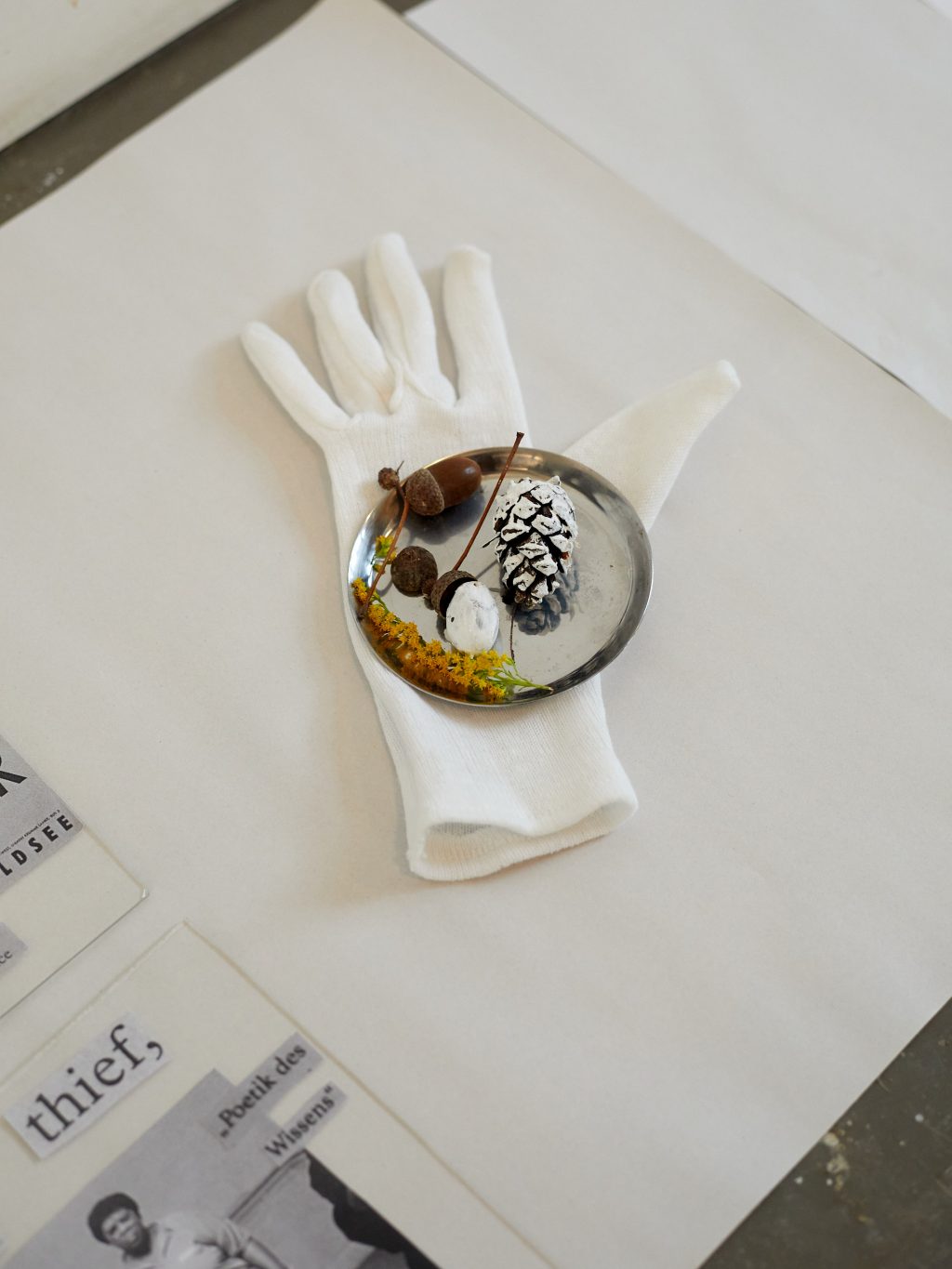
On August 24, 1945, the Berlin Philharmonics premiered A Midsummer Night’s Dream by William Shakespeare in the garden of Haus am Waldsee. The former private villa in Berlin-Zehlendorf—built in 1922 for the family of Jewish textile entrepreneur Hermann Knobloch, taken over in 1926 by the Angerer family (the father a board member of the German Reichsbahn, the son later holding a senior position in the arms industry), and from 1942 the official residence of Karl Melzer, vice-chairman of the Reichsfilmkammer—had become, just weeks after the end of the war, a central site for the revival of cultural life in the ruins of Berlin. A wide-ranging exhibition program soon followed, featuring artists such as Käthe Kollwitz, Karl Schmidt-Rottluff, and Renée Sintenis—highlighting, from the outset, both women and avant-garde artists who had been labeled “degenerate” by the Nazi regime.
But who was the audience for this program on the affluent edge of a shattered city? What political motivations lay behind the founding of such an institution? Who were the key figures in the cultural reconstruction surrounding Haus am Waldsee? How can the activities at this site be situated within broader struggles over the formation of a new global order—an order in which art and cultural heritage played a significant role? And what ruptures, but more crucially, what continuities, shaped this moment of historical transition?
Reflecting on these questions brings into focus a formative period—one in which the foundations of our present were decisively laid. At the same time, what does it mean today to exhibit, produce, and encounter art in a former home inhabited by both victims and perpetrators of the Nazi regime.
Together with artists, art and architectural historians, writers, and theorists, the Summer School aimed to uncover the overlapping historical, social, personal, and political layers of this site. Through a range of artistic strategies and formats—archival workshops, walks, lectures, and screenings—it interrogated the existing narratives and their absences, and connected them to contemporary concerns. How might an institutional anniversary be marked today in a way that not only engages with the past but also generates impulses for present and future action?
Guest lecturers: Nina Akhvlediani, Kirsty Bell, Pujan Karambeigi, Atiéna R. Kilfa, Philipp Krüpe, Veit Laurent Kurz, Luciano Pecoits, Jo Pistorius
Organized by: Pia-Marie Remmers
Photography: Robert Hamacher
Programme
Tuesday, 26.08
Greetings and getting to know each other
Guided Tour through Haus am Waldsee with Luciano Pecoits
The tour of the building introduces the immediate, architectural body of the institution and makes it clear how, over the course of about one hundred years, it has evolved from a residential house to its current form as a cultural institution. Special attention is given to the compensation procedures of the early 1950s, which contextualize the founding moment of the institution through the observation of capital flows.
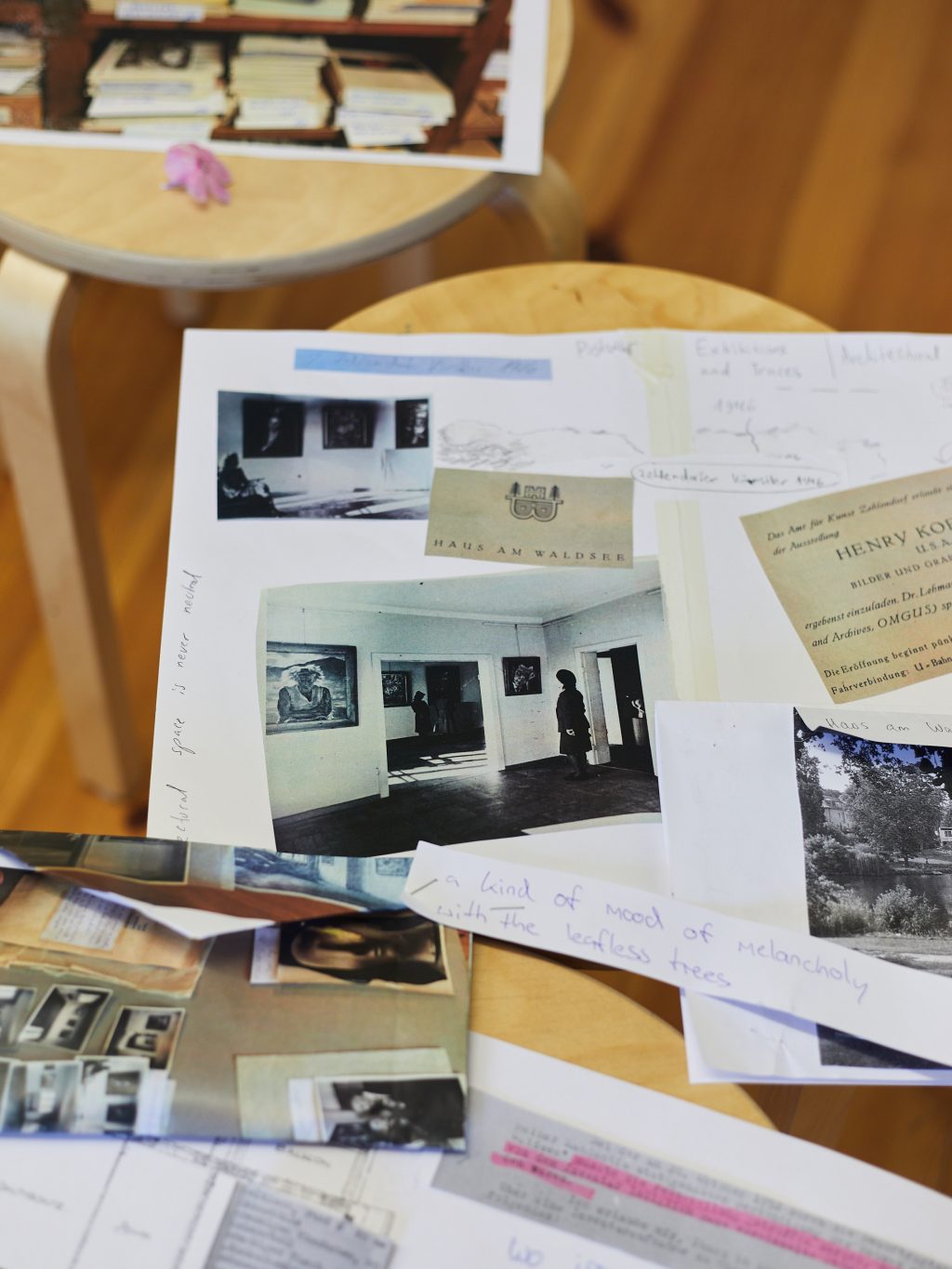
The Haus am Waldsee Archive. Workshop Part I with Luciano Pecoits
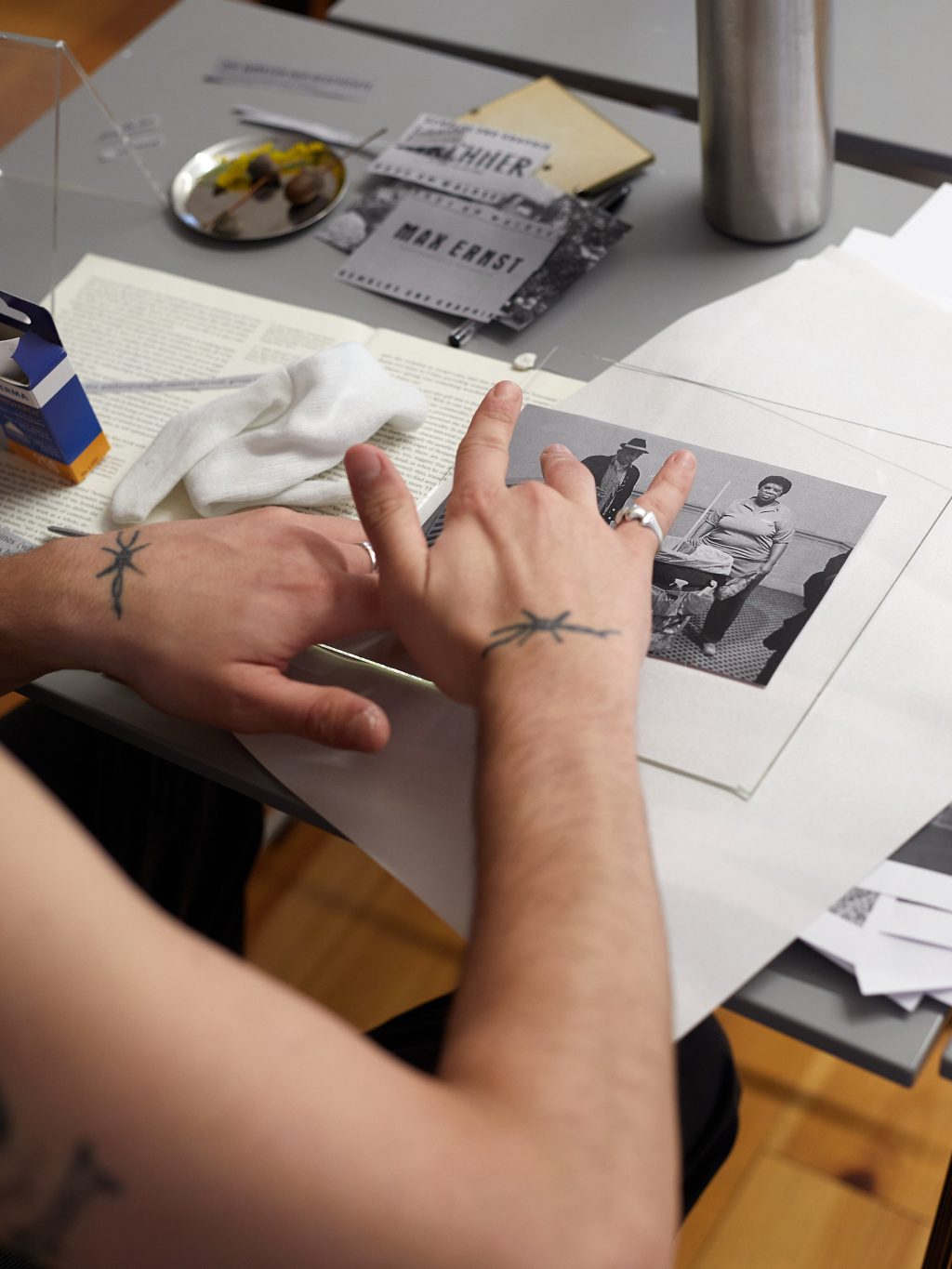
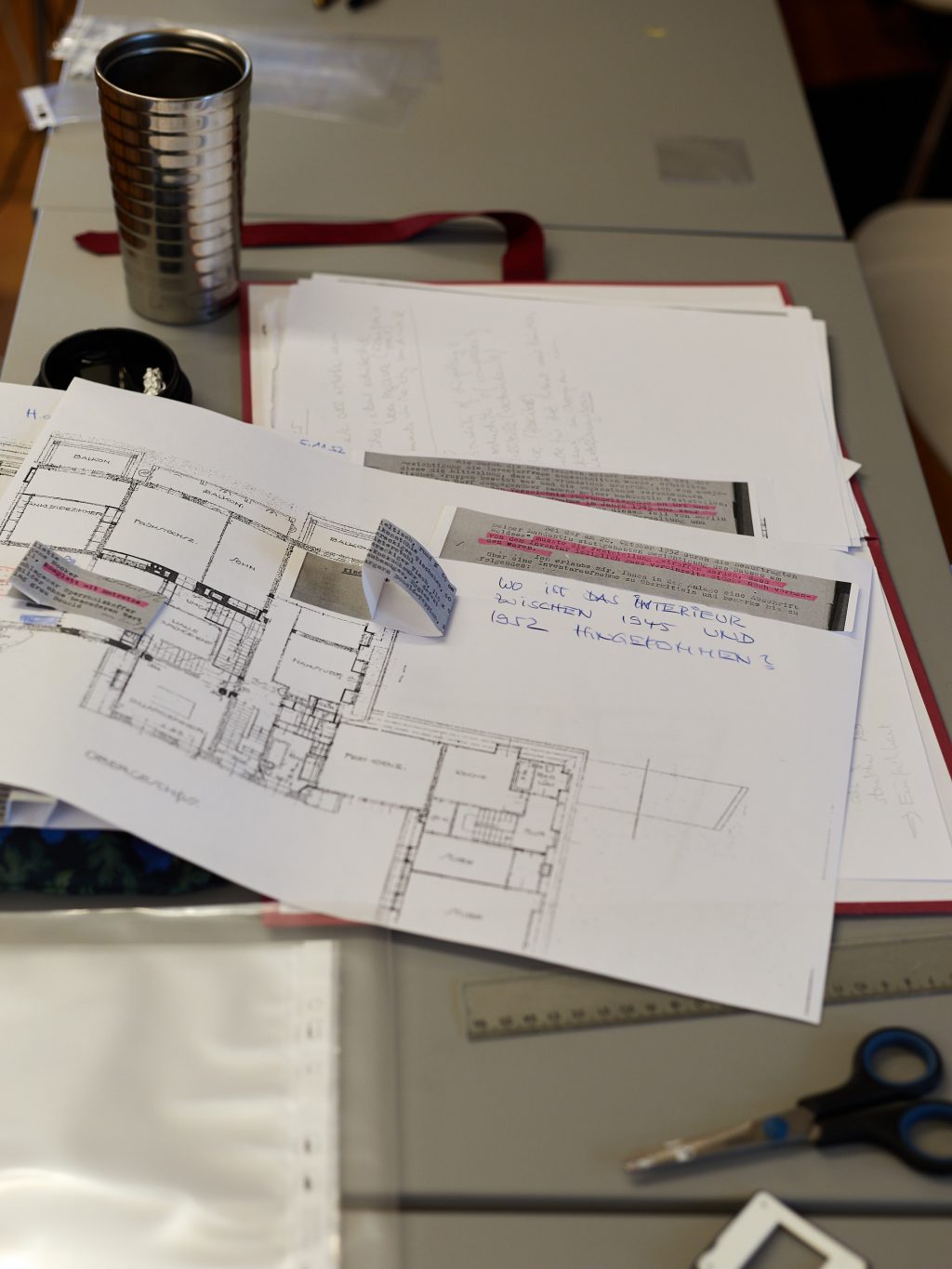
In a joint exploration of sources, an overview is provided of which historical materials are located in the house archive, which are preserved in public archives, and a discussion is held on what has not been preserved and why these ‘gaps’ are also constitutive for the historical process. Subsequently, methods of appropriation, processing, and formatting of sources are exemplarily tested using selected archival items from the collection.
Lecture on the key narratives around the founding of Haus am Waldsee with Jo Pistorius
The lecture explores key moments, narratives, and individuals associated with the founding of Haus am Waldsee as a cultural institution in the immediate postwar period. It traces continuities, ruptures, absences, and the formation of myths against the backdrop of new political configurations and appropriations, as well as the neglect of material and personal continuities of the structures of National Socialist violence. Particular focus is placed on exemplary biographical fragments of the potential founding figure Gustaf Gründgens.
Wednesday, 27.08.
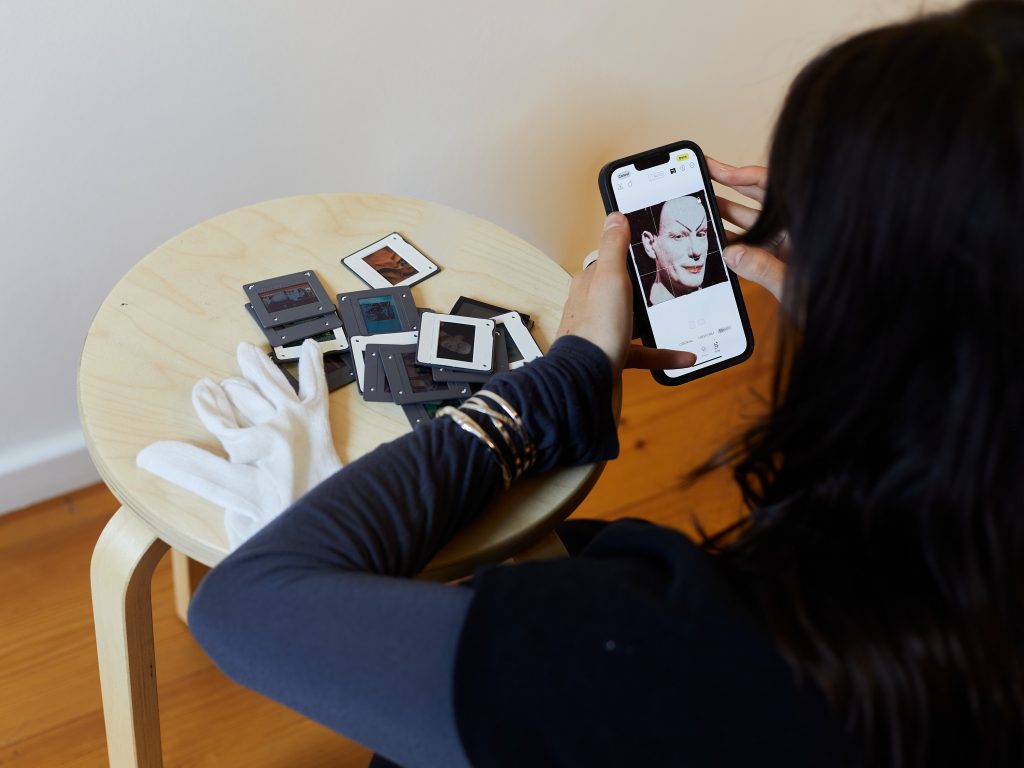
Archive Fieldwork with Kirsty Bell and Pujan Karambeigi
Following a brief introduction to their respective approaches, Kirsty Bell and Pujan Karambeigi will present a range of methods to working with archival materials. In small groups, we will then visit a selection of libraries and archives across the city. To guide our research, the instructors will provide a set of questions related to each archive that can be expanded upon and adapted based on the interests of each group.
In addition to questions concerning the history of the Haus, the focus will lie on the historical context of German postwar reconstruction, global entanglements, and (artist) biographies associated with its founding. More broadly, the sessions will address fundamental questions about working with archives and the writing of history:
How do we navigate archival spaces and deal with an overwhelming abundance of material? What different outcomes might the same set of questions yield across different archives? Do we aim to follow the trail of historical facts—or seek out personal stories? Do we attempt to craft a coherent narrative, or remain with fragments and partial traces? And how do we ourselves write history—through our choices, our perspectives, and our interpretations?
The Political Function of the Garden Suburb. A Critical Walking Tour through Zehlendorf with Philipp Krüpe
Starting in the mid-19th century, a new typology of housing emerged across Europe, its settler colonies, and the United States: the garden suburb. Designed for the growing bourgeoisie, these residential areas sought to shield their inhabitants from the perceived impositions of the outside world—industrializing metropolises, a precariously living working class, and the exploited subaltern world.
The aim was to develop an urban and architectural form inspired by rural and village-like aesthetics, such as the cottage typology and small-town medieval structures. These included organically winding paths, which were artificially replicated and often required drastic interventions in the natural landscape. At the same time, modern infrastructure was considered essential: sewage systems, electricity, running water, and efficient access by carriage, rail, and the emerging automobile.
The Haus am Waldsee in Zehlendorf is located within such a development and exemplifies these characteristics. This walking tour critically examines the historical context of the area, the transnational and colonial entanglements of its architectural history, and the political functions it continues to serve. We will also take a closer look at comparable suburban developments in the surrounding area.
Thursday, 28.08.
Haus am Waldsee’s English landscape garden as a living archive and site of reflection with Veit Laurent Kurz
Veit Laurent Kurz is a Berlin-based visual artist whose work explores connections between psychology and ecology. The narratives in his installations often point toward ecological themes through a personal and spatial lens. Out of this practice grew die_kette_moabit, a research platform with a more archival focus, bridging art, architecture, and music. In his ongoing series Green Sanctuary, Kurz examines gardening as both historical practice and contemporary art form. As part of the summer school at Haus am Waldsee, he studied the museum’s English landscape garden as a living archive and site of reflection.
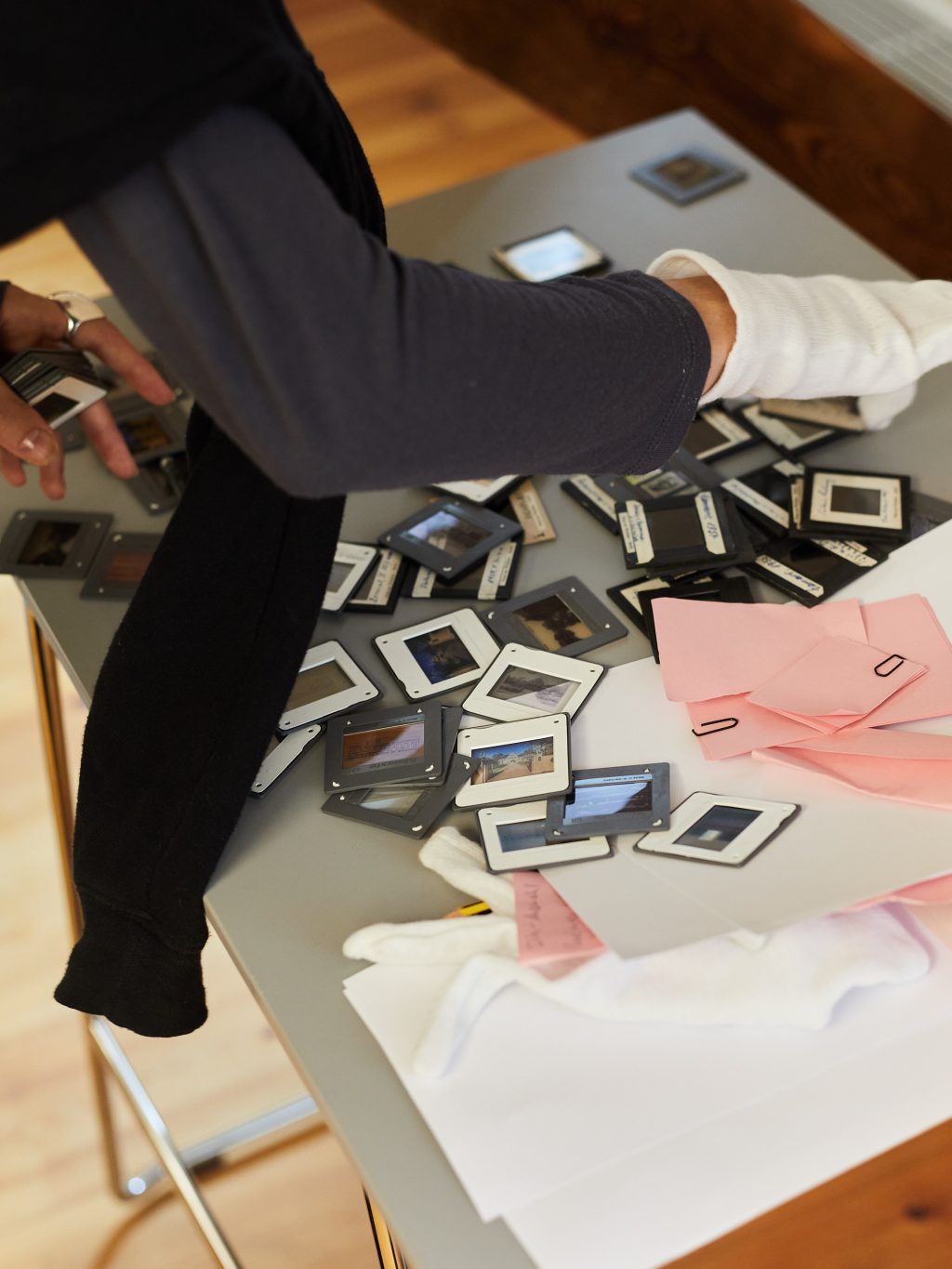
The Haus am Waldsee Archive. Workshop Part II with Luciano Pecoits
In the second part of the workshop, various writing exercises will reflect on the narrative structure of textual traditions and loosen their linearity and definitiveness through visual modes. Testing speculative potentials will bring aspects of history that are conventionally unaccounted for into the historiographical moment. Démontage.
A lecture on the intricate ways in which images are constructed in film with Atiéna R. Kilfa
Atiéna R. Kilfa will present a lecture based on her method of Démontage. Developed throughout her practice, the technique examines intricate ways in which images are constructed in film. In applying montage principles to exhibition-making, her distinctive approach draws parallels between the production of cinematic spectacle and the staging of historicity.
Friday, 29.08
Archiving as a Becoming with Nina Akhvlediani
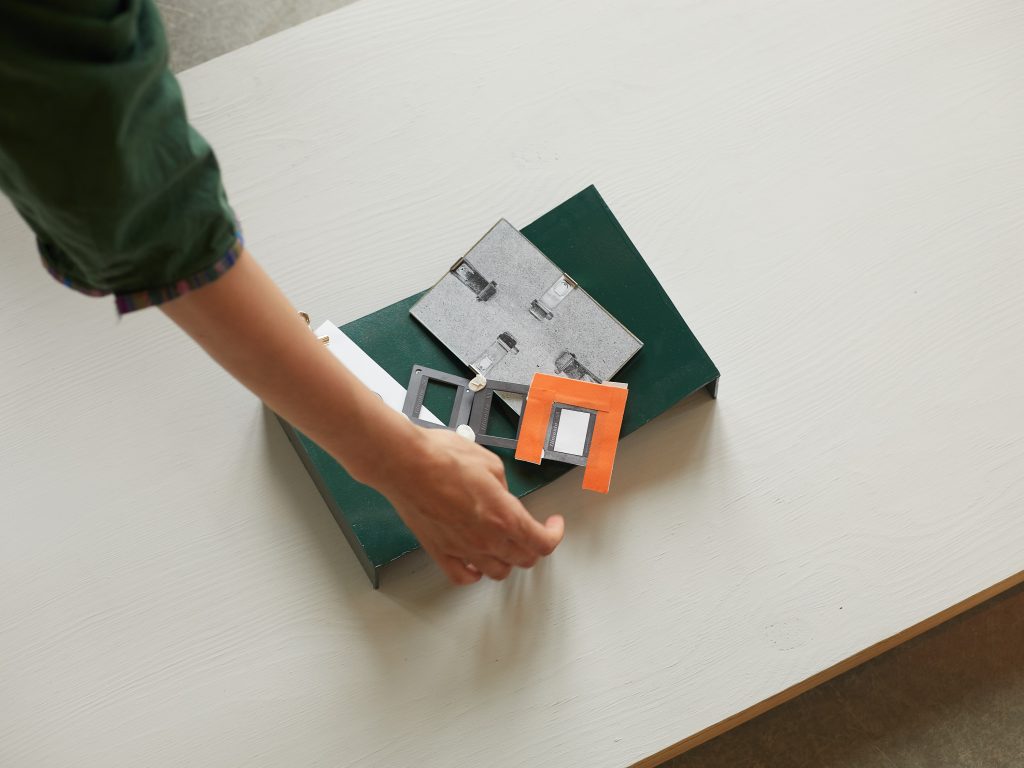
Led by curator and publisher Nina Akhvlediani, this workshop explores how archives can be activated through methodologies of display, publishing, and performative documentation. Rooted in Akhvlediani’s collaboration with Haus am Waldsee—where she is developing an archival display system for the museum’s temporary exhibition space—the workshop extends this thinking into a shared pedagogical context.
Through a series of discussions, presentations, and hands-on sessions, participants will be introduced to a selection of Akhvlediani’s past projects, including durational exhibition models and display systems developed from local resources and modular construction. Drawing from initiatives such as Dineba and Kona Books, the sessions will explore strategies for documenting ephemeral practices, tracing bibliographic and material detail, and translating research into collaborative printed formats.
Framing the archive as a dynamic and continually reconfigured structure, the workshop foregrounds publishing and exhibition-making as sites of assembly, re-contextualization, and distributed access.
Closing Party
Biographies
Nina Akhvlediani
Nina Akhvlediani is an independent curator and co-founder of Kona Books, a Tbilisi-based publishing house and bookstore. She directs both Kona Books and the Design Institute bookstores in Tbilisi, and is the founder of Dineba, an independent archival practice. In her recent projects, Akhvlediani has developed durational exhibition models and approaches the archive as a site for poetic and political investigation.
Kirsty Bell
Kirsty Bell is a writer and art critic living in Berlin. She is the author of The Undercurrents. A Story of Berlin (Fitzcarraldo Editions, 2022) (tr. Gezeiten der Stadt, Kanon Verlag, 2021) and The Artist’ s House. From Workplace to Artwork (Sternberg Press, 2013). Her art criticism has been published in frieze, for which she was contributing editor from 2011- 2021, as well as other art magazines and exhibition catalogues. Recent essays were on Käthe Kollwitz (MoMA NY), Edward Hopper (Whitney Museum of American Art), Tolia Astakhishvili (Bonner Kunstverein & Haus am Waldsee, Berlin), Alexandra Bircken (Museum Brandhorst, Munich) and James Richards (Malmö Konsthall & Künstlerhaus Stuttgart). She has taught and lectured regularly at art academies and institutions across Europe. Her next book is forthcoming with Fitzcarraldo Editions and Kanon Verlag in 2026.
Pujan Karambeigi
Pujan Karambeigi is a PhD candidate in art history at Columbia University and the 2024–25 Mellon-Marron Research Consortium Fellow at the Museum of Modern Art. His research focuses on the institutional histories of art, with particular attention to how art became a tool for nation-building in the context of postwar decolonization. He is the editor of downtowncritic.net, a former contributing editor at Jacobin, and his writing has appeared in Art in America, Texte zur Kunst, ARTMargins, Mousse Magazine, Artforum, and other publications. He has curated exhibitions at ISLAA New York, the Wallach Art Gallery, and Felix Gaudlitz.
Atiéna R. Kilfa
Atiéna R. Kilfa currently lives and works in Berlin. Recent solo exhibitions include: En Suite, Galerie Neu, Berlin (2025), Wonder Lust, LOK Remise, Kunst Museum St.Gallen (2025), Special Effect, Den Frie, Copenhagen (2024), Primitive Tales, Cabinet, London (2023), The Unhomely, Camden Art Center, London (2023), The Unhomely, KW institute for contemporary art, Berlin, (2022).
Philipp Krüpe
Philipp Krüpe is a research associate at the Institute for Principles of Modern Architecture (IGmA) at the University of Stuttgart. He publishes and works on topics related to architectural and media theory, contributing to outlets such as ARCH+, Baumeister, the Goethe-Institut, and various cultural institutions in Germany. Together with Stephan Trüby, he is responsible for the research project “Rechte Räume” (www.rechteraeume.net). His current research focuses on the political media and affective history of modern architectural theory and production.
Veit Laurent Kurz
Veit Laurent Kurz is a Berlin-based visual artist whose work explores connections between psychology and ecology. The narratives in his installations often point toward ecological themes through a personal and spatial lens. Out of this practice grew die_kette_moabit, a research platform with a more archival focus, bridging art, architecture, and music. In his ongoing series Green Sanctuary, Kurz examines gardening as both historical practice and contemporary art form.
Luciano Pecoits
Luciano Pecoits is an artist based in Vienna. With a source-critical approach to historical materials, he works in, with, and about art, its institutions, biographies, and narratives. His work has been presented in various formats, including at the Münchner Kammerspiele (2022), Kunsthaus Dahlem, Berlin (2022), Lothringer 13 Halle, Munich (2024), and the Milwaukee Art Museum (2025).
Jo Pistorius
Jo Pistorius works at the intersection of theory, curating, and text production. Jo studied philosophy and literary studies in Berlin and Paris and is currently pursuing a Master’s degree in Contemporary Art Theory at Goldsmiths, University of London. Jo has worked as a curatorial assistant at Halle für Kunst Lüneburg and has pursued independent curatorial projects, among others for the Kunstverein Grafschaft Bentheim. Jo lives in Berlin and London.
The Summer School was supported by: